Flood Damage Restoration
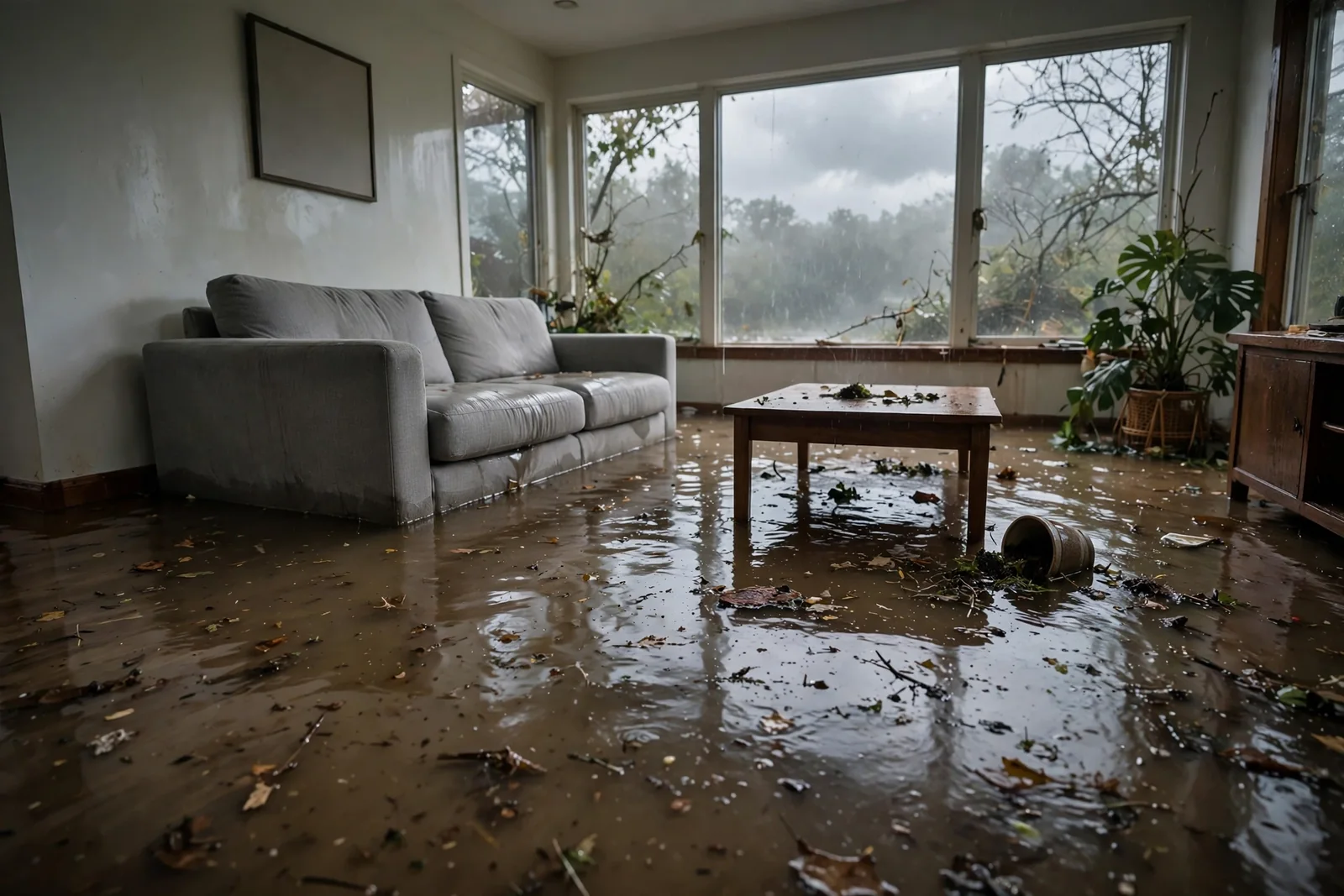
Storm water and flooding bring extra grit, debris, and contamination concerns. The work focuses on removing flood water safely, drying the structure, and cleaning the surfaces the water touched.
See how it works
One number for water damage across Boca Raton — flooding, leaks, sewage backups, and wet ceilings. Calling connects you with a local professional who handles jobs like yours.
Choose the situation closest to yours. If water is standing or still spreading, start with emergency water removal.
Water Damage Restoration
Water soaked into floors, walls, or ceilings? This is the full path — removal, drying, and repair of what the water harmed.
Get help
 Emergency Water Removal
Standing water, or water actively spreading right now? Start with getting it out and getting the space dry.
Get help
Flood DamageStorm or rising water inside the home
Sewage BackupDrain or sewer water — keep clear of it
Ceiling Water DamageStains, bubbling paint, or a sagging spot
Burst Pipe & LeaksPipes, water heaters, AC lines, appliances
Every job is different, yet most calls fall into a few clear groups. These are the water problems Boca Raton homeowners usually call about.
Storm water and flooding bring extra grit, debris, and contamination concerns. The work focuses on removing flood water safely, drying the structure, and cleaning the surfaces the water touched.
See how it works
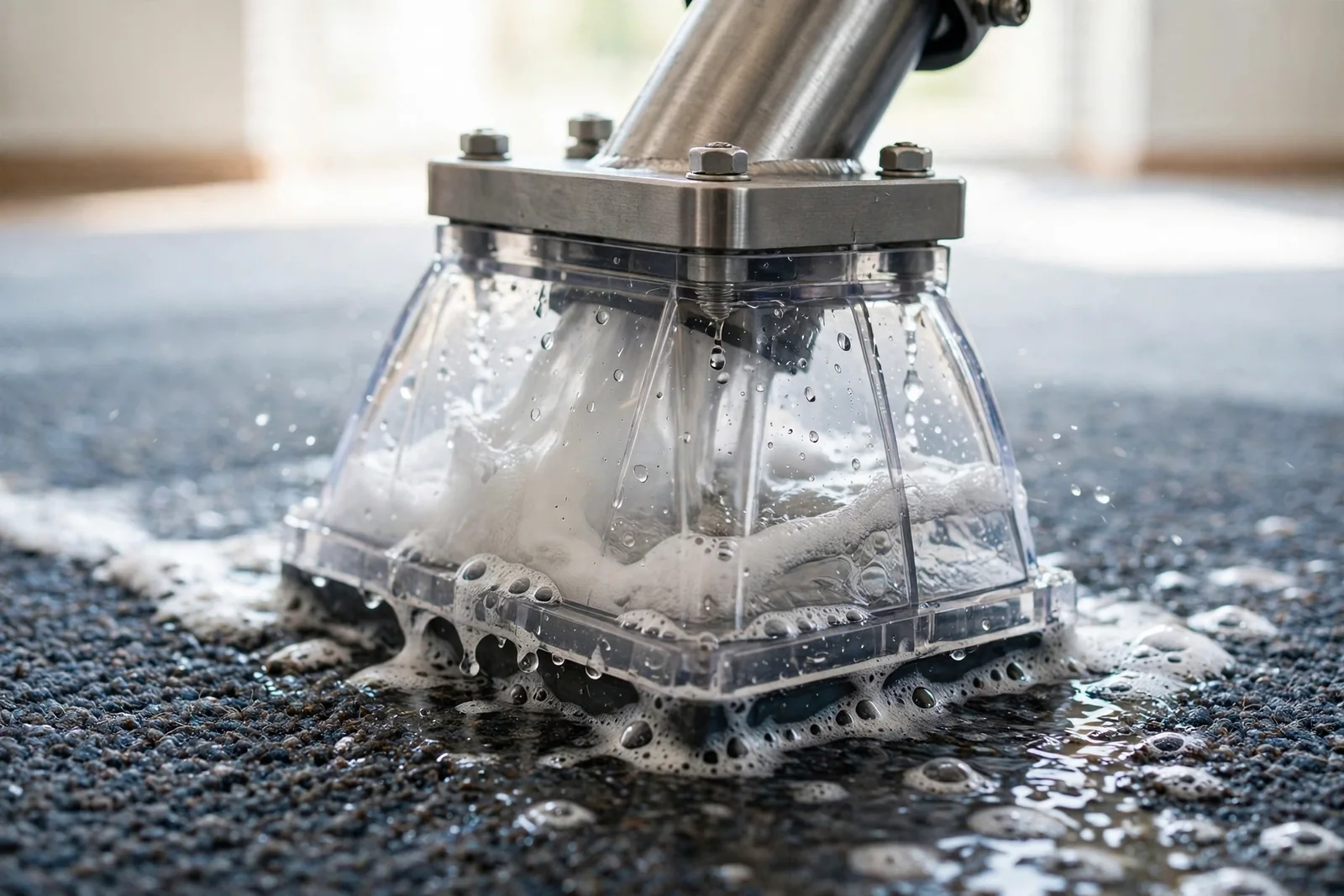
Sometimes the urgent need is simple: get the water out and get the space dry. Extraction removes standing water, and structural drying targets moisture trapped in walls, floors, and cavities.
See how it works
Water from a sewer or drain backup is Category 3 water under the IICRC S500 standard, and it can carry harmful bacteria. Keep people and pets away, and let a professional handle cleanup and disposal.
See how it works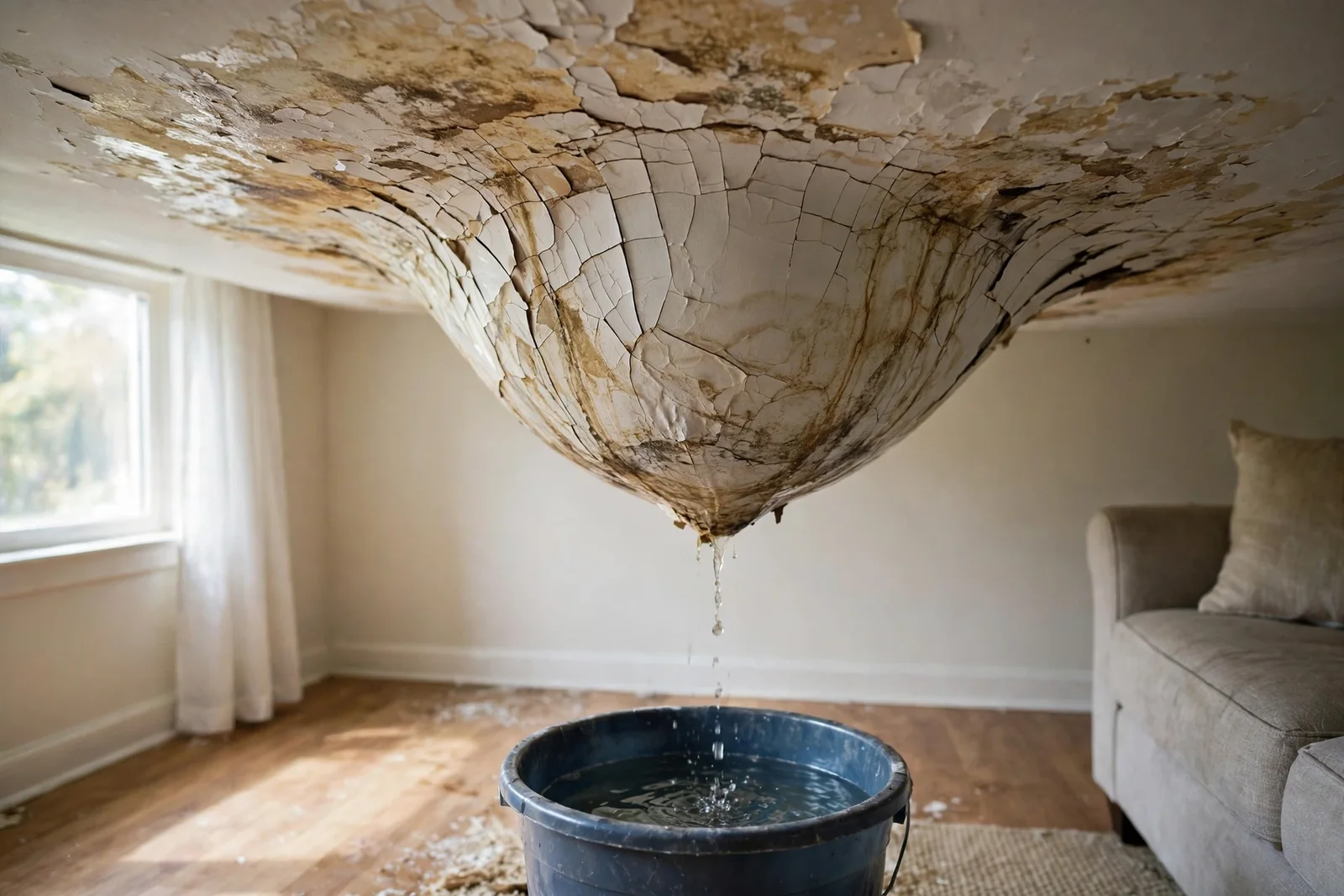
A stain on the ceiling usually means water is traveling from above — roof leaks, upstairs plumbing, or AC equipment in the attic. Because wet drywall gets heavy, ceiling damage needs prompt attention.
See how it worksCalling this number connects you with a local water damage professional in the Boca Raton area who handles jobs like yours. You explain what happened, and they talk you through the next steps for your home.
Call (561) 555-0123 and describe what you found — where the water is, and where it may be coming from.
A local professional explains how they can help and what happens next in a home like yours. Ask your questions as you go.
The professional you speak with runs their own business. The work itself — scope, schedule, and any warranty — is agreed between you and them.
This website's job is to make that connection simple. Before work begins, ask them to confirm the license and insurance your job requires, and to put the key terms in writing.
General information only. This describes how restoration is typically done in the trade. It is not a description of any one company.
A moisture check maps the wet area and finds where the water is coming from, so the source gets stopped first.
Pumps and extraction equipment remove standing water from floors and carpeting.
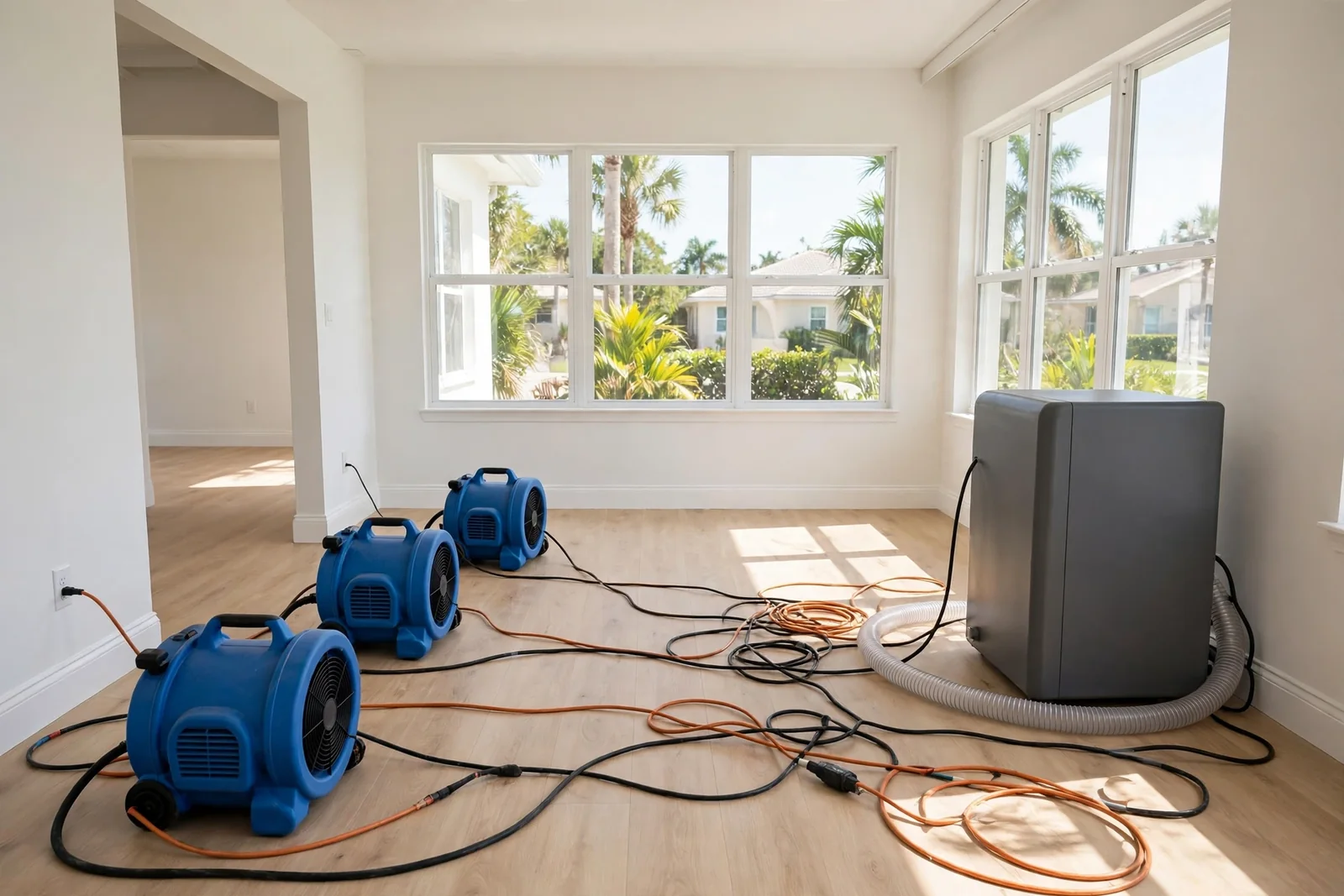
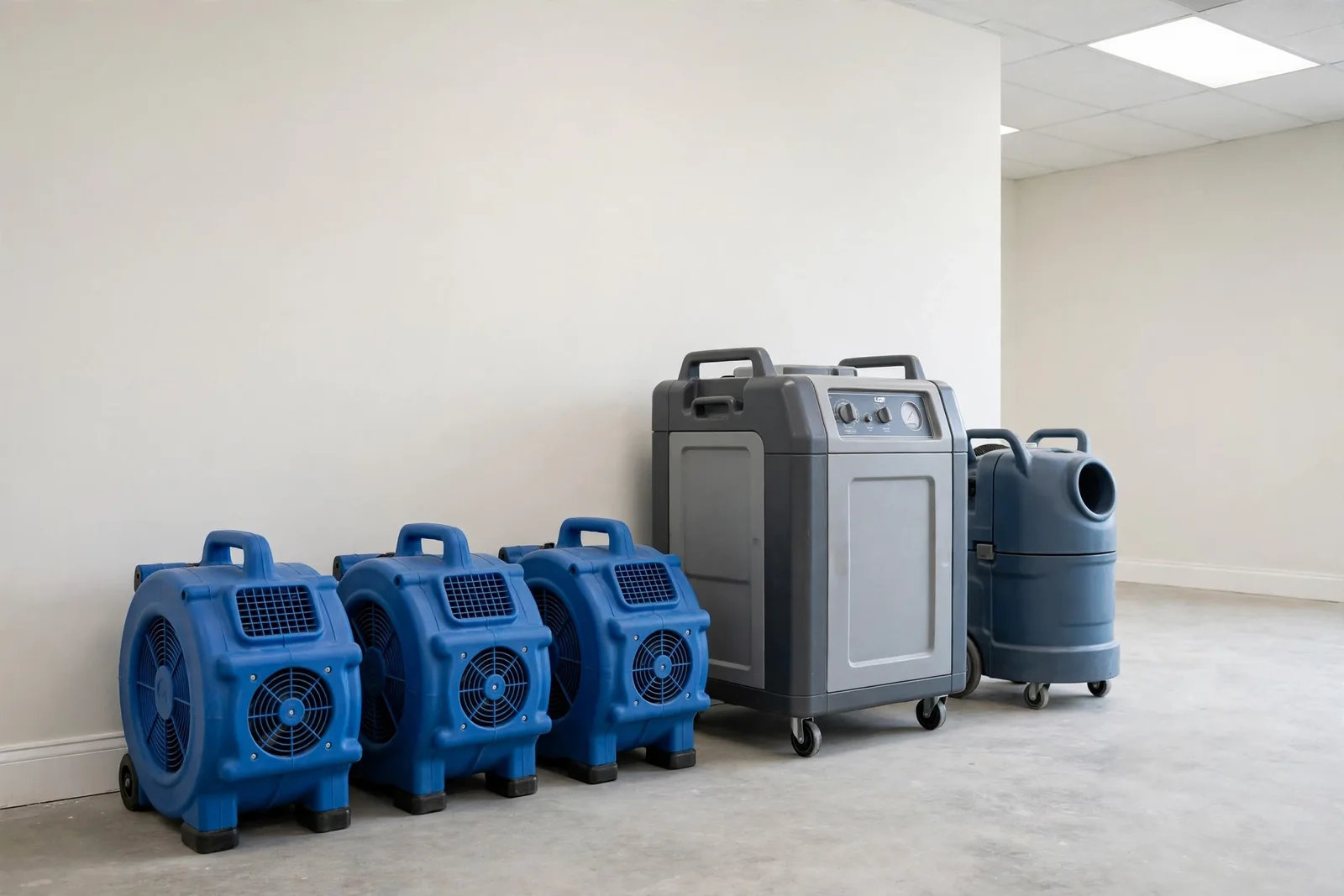
Air movers and dehumidifiers dry the structure over a monitored period, checked with moisture readings — not by touch alone.
Surfaces the water touched are cleaned, and an antimicrobial treatment may be applied where the water category calls for it.
Material that could not dry safely is removed. Repairs come last, once moisture readings show the area is dry.
Find hidden water inside walls, floors, and ceilings, and map how far it spread.
Push air across wet surfaces to speed up evaporation during structural drying.
Pull moisture out of the air so walls, floors, and cavities can actually dry.
Clean the air while drying stirs up dust and particles, often under negative air pressure.
Professionals sort water using the IICRC S500 standard. The category shapes how a job is handled — and how careful everyone needs to be around it.
From a sanitary source, like a supply line or a leaking clean-water pipe. It does not start out as a health threat — but it still soaks in fast and needs prompt drying.
May carry contaminants, like appliance discharge from a dishwasher or washing machine. It needs more care in cleanup, and it can move up a category if it sits.
Grossly contaminated, like sewage. It can carry harmful bacteria. Keep people and pets away from it, and leave cleanup to trained handling only.
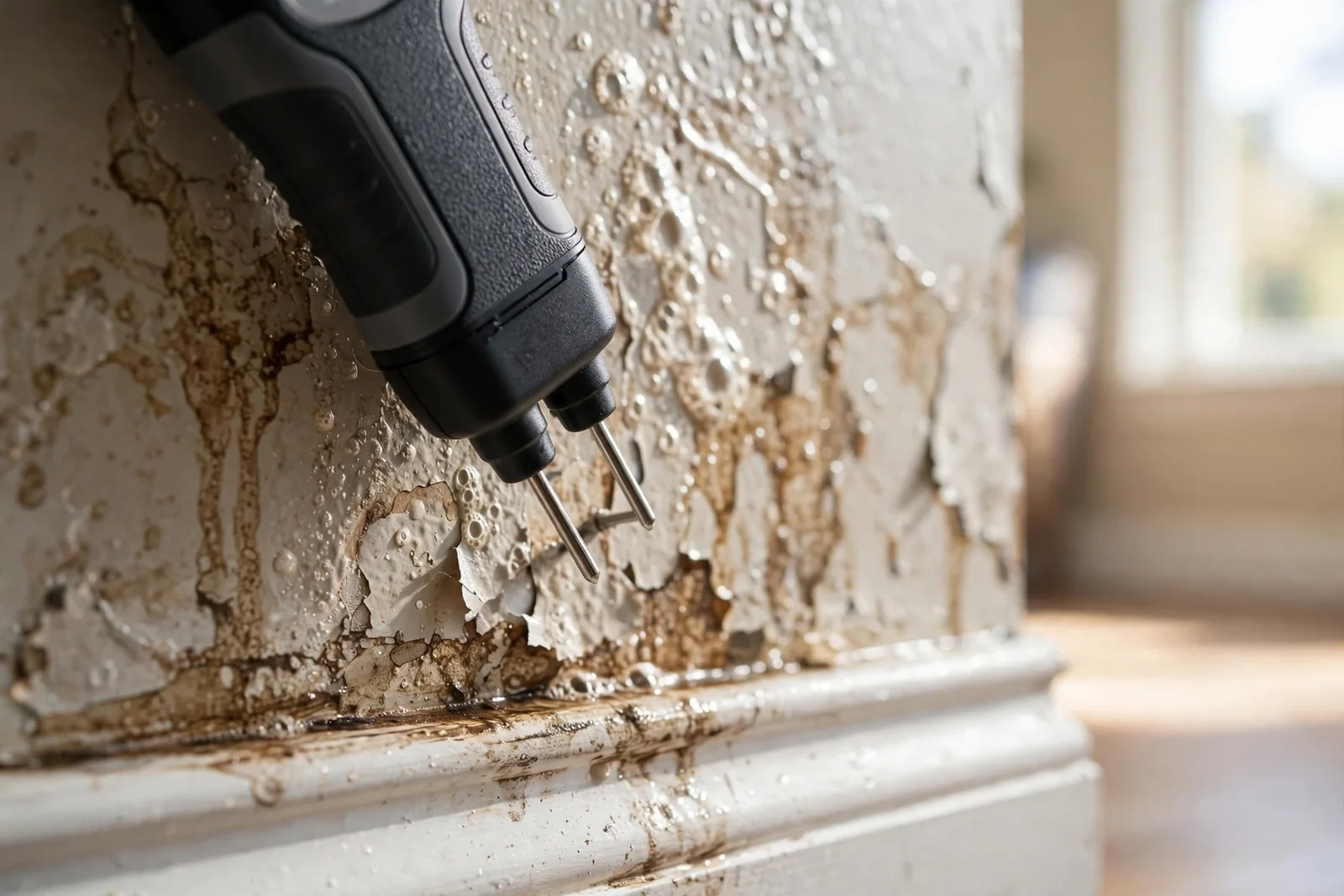
Water keeps moving after the leak stops. It wicks up drywall, swells wood, and rusts parts you cannot see. According to EPA guidance, mold can begin growing within 24 to 48 hours after water damage in damp conditions. Fast drying is the main defense — and drying is confirmed with moisture readings, not by touch alone.
Some checks are safe to do yourself. Others are a stop sign. When in doubt, treat it as a stop sign — water plus power is never a small problem.
This site focuses on one city on purpose: Boca Raton, FL, in Palm Beach County. Calls are matched for homes in these covered ZIP codes.


Clear, practical reading for the first hours and the days after — written to help you act calmly and make good decisions.
Stop the water, stay safe around power, take photos for your records, and make the one call that matters.
Read the guide Drying, explainedExtraction, drying, and repair are different phases of the same recovery. Here is what each one covers, and why a home usually needs all three.
Read the guide Insurance & claimsPhotos, moisture readings, and a clear timeline. What to gather early, before cleanup changes the scene.
Read the guideStop the water if you can do it safely. Close the main valve or the valve at the fixture. Keep clear of wet areas near outlets or appliances. Take photos of the damage for your records. Move dry belongings out of the wet zone. Then call, and describe what you found.
Often yes, but it depends on the water and the rooms involved. Clean water in one room is one thing. Sewage water, wet electrical parts, or a sagging ceiling is another. Ask the professional who checks your home. Their answer should guide where you sleep and which rooms to avoid.
It varies a lot. The water category, the class of loss, and the materials involved all change the timeline. A small clean water leak in one room may dry in a few days. A soaked wall cavity or wood floor can take far longer. Monitoring with moisture readings decides when drying is done.
Usually, yes, once the moisture source is gone and materials are fully dry. Odor tends to linger when hidden pockets stay wet, like inside a wall or under a floor. That is why drying is checked with readings, not by touch alone. If a smell persists after drying, raise it with the professional.
Mold is a fair concern after any water event. EPA guidance notes that mold can begin growing within 24 to 48 hours in damp conditions. Fast drying is the main defense. If you see growth, do not disturb a large area. Ask the professional how they plan to assess and handle it safely.
Yes. Sewage backup is one of the problems Boca Raton homeowners call this number for. Sewage is Category 3 water, and it can carry harmful bacteria. Keep people and pets out of the area. Do not try to clean it yourself. When you call, say clearly that the water involves sewage.
One call connects you with a local water damage professional in the Boca Raton area. You explain the problem, and they explain how they can help and what happens next. It really is that simple. More detail sits in How calling this number works.
You can, and the call is the right place for it. This website does not give estimates and does not set them. When you call, ask the local professional how they handle estimates for a job like yours. They can talk it through with you based on what they find at your home.
If water is spreading in your home, reading more will not dry it. Call now to talk with a local professional about water damage restoration in Boca Raton, FL. Explain what you found, ask your questions, and hear what they would do next in a home like yours.
Call (561) 555-0123 No obligation.