What a sewage backup is, and why it is Category 3
A sewage backup happens when wastewater that should leave your home through the sewer or septic line comes back in instead, through a toilet, a tub or shower drain, or a floor drain. What enters is not dirty tap water. It is used water from the drainage system, and it can carry bacteria, viruses, and other contaminants from everything the line serves.
That is why the IICRC S500 standard places sewage in Category 3, its most serious class of water. Category 1 is clean water from a supply line. Category 2 carries some contamination. Category 3 is grossly contaminated, and sewage is the textbook example. It is the reason sewage backup cleanup follows stricter rules for protective equipment, containment, cleaning, and disposal than any other water job in a home.
The practical meaning for a homeowner is simple: this is not a mop-and-bucket job. Sewage that has spread across a floor or soaked into materials is handled by staying out of it, stopping water use in the home, and getting a professional’s assessment. The sections below explain the signs, the causes, and what that assessment usually involves.
Signs a backup is building, and what causes it
A full backup is usually preceded by the drainage system struggling. The warning signs worth acting on:
- Gurgling sounds from drains or a toilet when water runs somewhere else in the home.
- Several fixtures draining slowly at the same time, not just one sink.
- Water rising in a shower or tub when a toilet is flushed.
- A sewer odor near floor drains, strongest in the lowest rooms of the home.
- Water or sewage appearing at a cleanout or the lowest drain in the house.
Behind those signs, the usual causes in Boca Raton are a blocked or damaged main line, tree roots that have grown into the line, a failing septic component in older homes, and heavy rain overwhelming the municipal system so water pushes back toward houses. A backup during or right after a South Florida storm often has that last cause, which can affect several homes on a street at once.
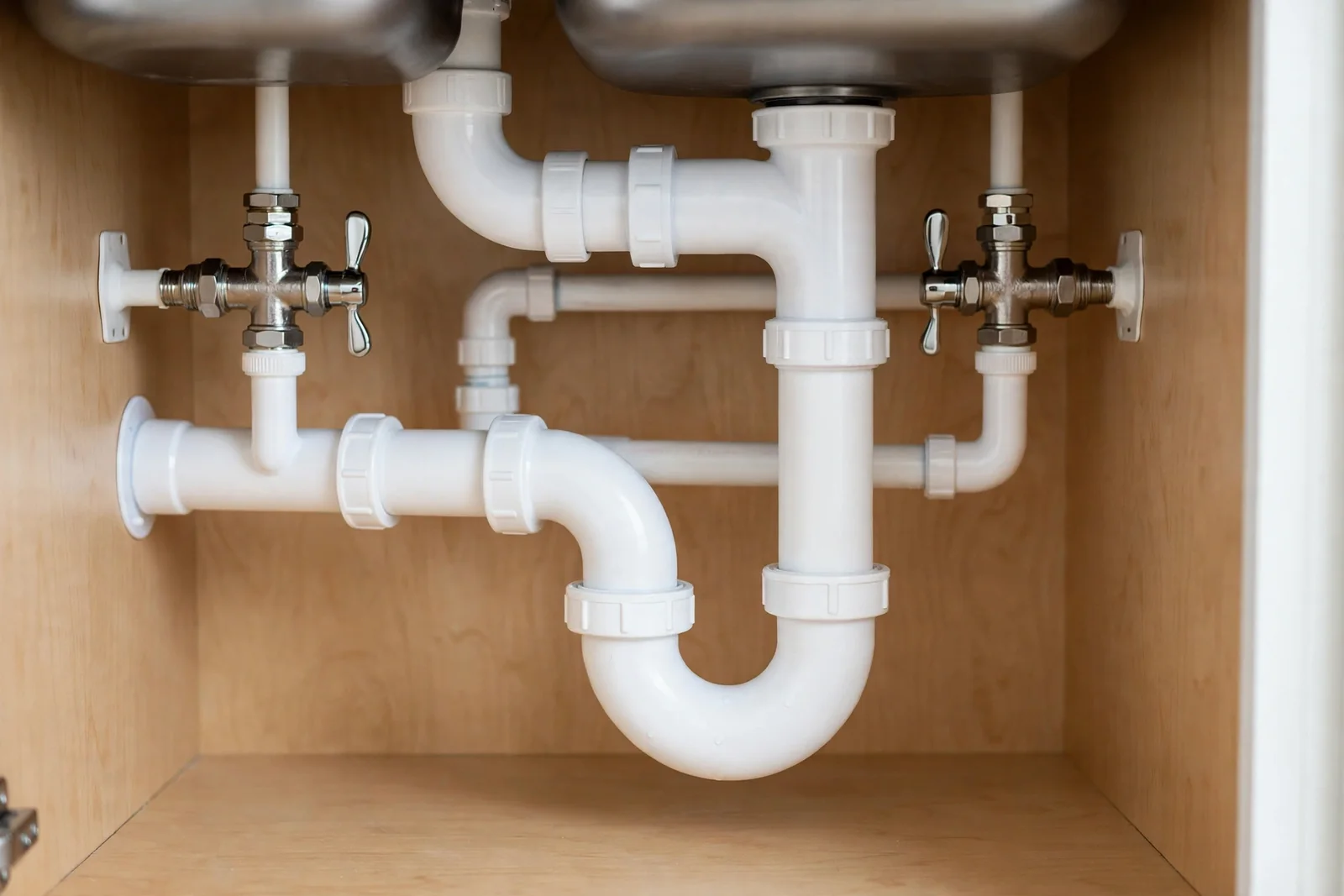
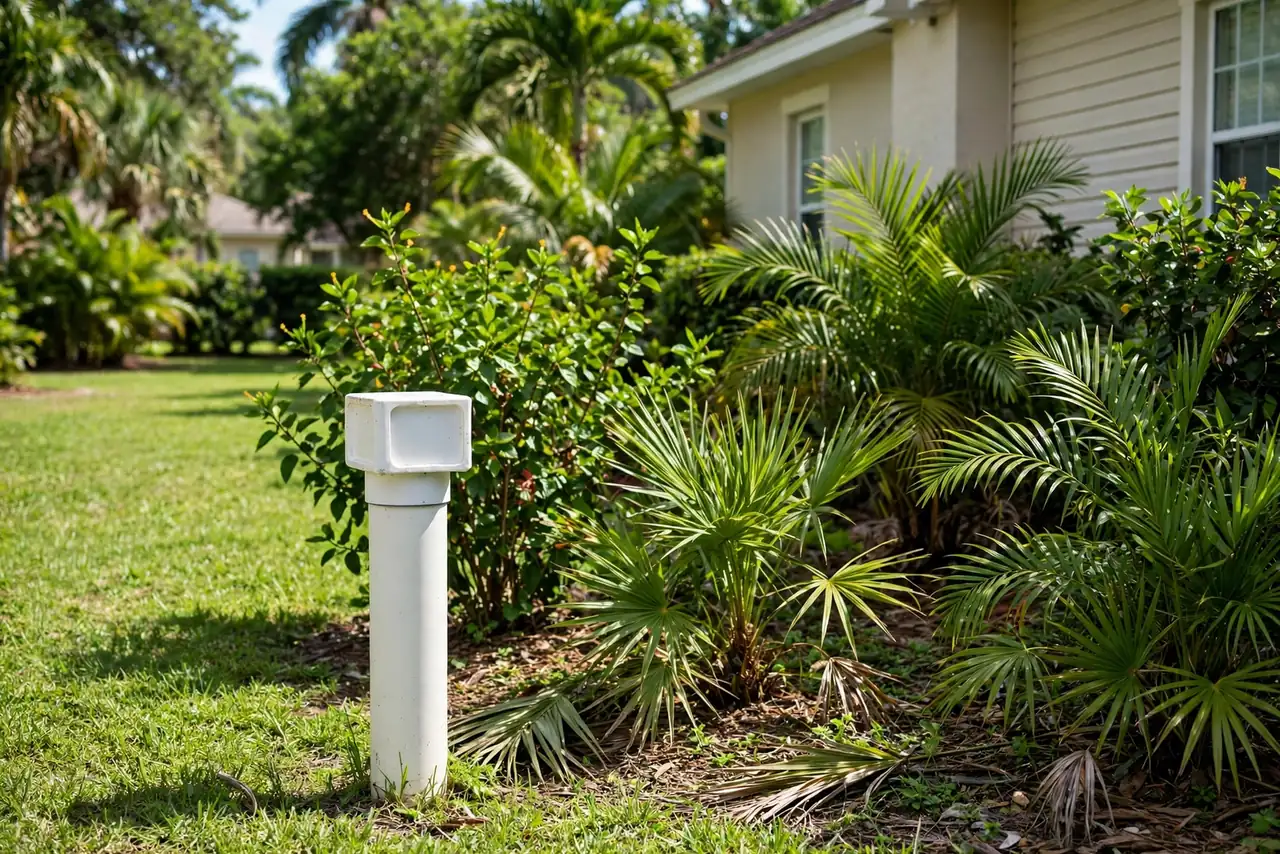
Real situation: a homeowner notices the guest-bathroom toilet gurgling whenever the washing machine drains. Two days later the shower in the same bathroom has standing gray water that will not go down. The gurgle was the early warning: the main line was already partially blocked, and the backup arrived at the lowest fixture first.
| What you see or smell | Likely cause | Safe check | When to call |
|---|---|---|---|
| Sewage or gray water in a tub, shower, or floor drain | Main line blockage or a surcharged municipal line pushing back | From the doorway, note which rooms and fixtures are affected | Now. Stop using water in the home and call |
| Gurgling drains, slow fixtures, sewer odor | Partial blockage building in the line | Avoid flushing and running water to test it further | That day, before it becomes a full backup |
| Sewage pooled on a floor or soaked into carpet | Backup that has spread beyond the fixture | None inside the room. Keep people and pets out | Immediately, and say the water involves sewage |
| Sewage near a return vent or air handler | Spread toward the HVAC system | Turn the air handler off if you can do it from a dry, clean area | Immediately, before air moves through the system |
Safety first: when to stop
Sewage is Category 3 water. The safe moves are distance, no water use, and a phone call — not cleanup.
Safe checks you can do
- Stop using water in the home — no flushing, no taps, no laundry or dishwasher.
- Close the door to the affected room, if you can do it without crossing the water.
- Call, and say clearly that the water involves sewage.
Stop, and call instead
- Never touch sewage water, and do not try to mop, scoop, or disinfect it yourself.
- Keep children and pets out of the affected rooms entirely.
- Do not run an air handler if sewage is near a return vent — moving air can spread contamination.
- If you smell gas or a carbon monoxide alarm sounds, leave the home and call the gas utility or 911.
What a professional generally does on a sewage job
A sewage cleanup company scopes the actual work at the home. The general pattern below is what that scope is built from. On the call, describe which rooms and fixtures are affected and whether the water is still rising, and the professional can explain the priorities for your situation.
General information only. It does not replace the professional’s assessment at your home.
1. Containment and protection
The work area is sealed off from clean rooms, and workers use protective equipment suited to Category 3 water. Containment matters because sewage contamination spreads by contact and by air movement, not only by the visible water.
2. Sewage removal
Standing sewage and solids are removed and disposed of under the rules for contaminated waste. This is not water that goes down a household drain by default, and the disposal method is part of what you can ask about on the call.
3. Removal of soaked porous materials
Carpet, padding, and other porous materials that sewage reached are typically removed, because they cannot be cleaned to a safe standard. Lower drywall sections that wicked sewage may be cut out for the same reason. Each removal is a judgment the professional explains.
4. Cleaning and disinfection
Hard surfaces that remain, like tile, concrete, and framing, are cleaned and disinfected with products rated for this class of contamination. Cleaning follows removal, not the other way around, so disinfectant is not wasted on materials that are leaving the home.
5. Drying and final checks
Once the area is clean, structural drying brings the remaining materials to a measured dry standard. Before the job closes, the underlying cause also needs an answer, a cleared line, a repaired section, or a plumber’s plan, or the backup can return with the next heavy use or storm.
Sewage in the home is a keep-out situation. One call connects you with a local professional.
Call NowRisks of waiting on a sewage backup
Sewage does not stay contained on its own. It soaks deeper into flooring and wall bases, wicks into adjoining rooms under the surface, and the contamination load grows as long as it sits warm and wet. Material that might have been cleaned on the first day is more likely to need removal a few days later, and the affected area usually grows rather than shrinks.
There is also the cause to consider. A backup means the line is blocked, damaged, or overwhelmed. Continued water use in the home adds volume to a system that has nowhere to put it, so a contained bathroom backup can become a multi-room event. Stopping water use and getting the cleanup and the cause assessed together is what keeps a bad day from becoming a much bigger job.
What to ask a sewage cleanup contractor
- Please confirm the license and insurance the job requires in Florida.
- How will you contain the work area, and what protective steps do your workers take with Category 3 water?
- Which materials do you expect to remove, and how is the waste disposed of?
- Do you follow IICRC S500 methods?
- What might the underlying line problem need, so the backup does not return?
- Can the scope and any warranty terms be put in writing?
Clear answers are a good sign. Vague answers are useful information too. Keep notes from the call.
Covered Boca Raton ZIP codes
Calls are matched for homes in Boca Raton, FL, in Palm Beach County, within these covered ZIP codes:
- 33428
- 33431
- 33432
- 33433
- 33434
- 33486
- 33487
- 33496
- 33498
Coverage details and how matching works are on the service areas page.
Frequently Asked Questions
Under the IICRC S500 standard, sewage is Category 3 water, the most contaminated class. It can carry bacteria, viruses, and other harmful material from the sewer system. That is why handling, protective equipment, cleaning, and disposal all follow stricter rules than a clean water job, and why homeowners are told to keep out of it.
A few drops at a fixture is one thing. Sewage that has spread across a floor, soaked into carpet, or pooled in a room is another. Once sewage touches porous material, home cleaning cannot make it safe again. Keep people and pets away from the area and call, and say clearly that the water involves sewage.
Common causes include a blocked or damaged main sewer line, tree roots growing into the line, a failing septic component in older setups, and heavy rain overwhelming the municipal system so water pushes back through drains. During South Florida storms, a backup can also follow surcharging in the street system beyond the home itself.
Early signs include gurgling sounds from drains, slow drainage in several fixtures at once, water appearing in a shower or tub when a toilet is flushed, and a sewer odor near floor drains. Those signs mean the line is struggling. Stopping water use in the home and calling early can keep a partial blockage from becoming a full backup.
Porous materials that sewage soaked, like carpet, padding, upholstered furniture, and mattresses, usually cannot be cleaned to a safe standard and are typically removed and disposed of. Hard surfaces can often be cleaned and disinfected. The professional sorts items by material and exposure, and can explain the reasoning for each decision on the call or at the visit.
It depends on the rooms involved. A backup contained in one bathroom with the door closed is different from sewage spread through living areas or near the HVAC system. Keep out of affected rooms, avoid running the air handler if sewage is near a return vent, and ask the professional who assesses your home to guide the decision.
You can, and the call is the right place for it. This website does not give estimates. When you call, ask the local professional how they handle estimates for sewage cleanup work, and describe the rooms and materials involved so they can explain what an assessment would cover.