Why standing water is its own problem
The water you see on the floor is doing quiet work the whole time it sits. Drywall wicks it upward. Carpet padding holds it like a sponge. Laminate and engineered wood swell at the seams. Subfloor and the bottom plates of walls absorb it from below. Every hour of standing water removal delayed widens the area that needs drying, and sometimes the area that needs to come out.
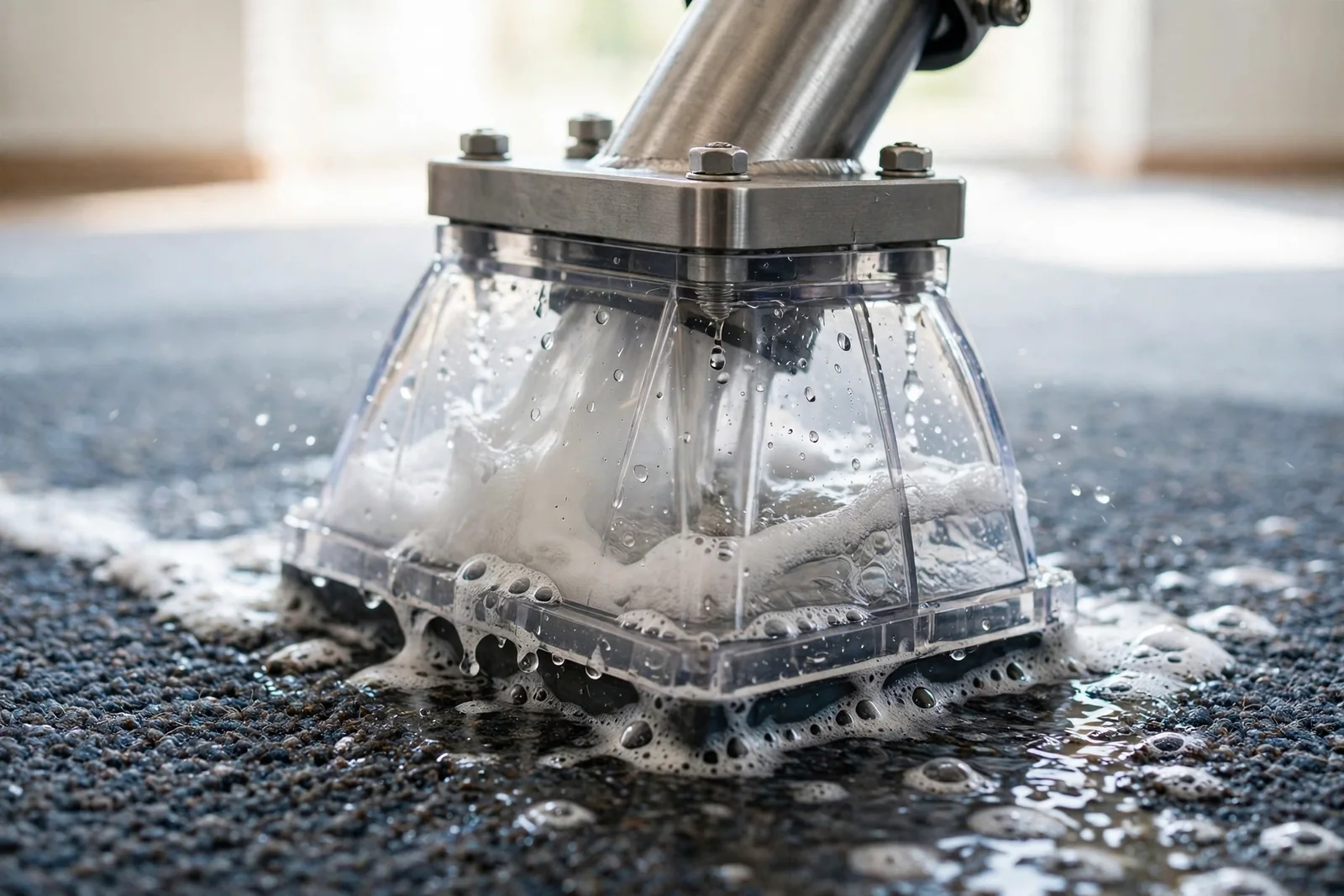
Standing water removal is the first job because nothing else can start until the bulk water is gone. Drying equipment cannot outrun a floor that is still covered. Once the standing water is extracted, the second job, structural drying, addresses what the water left inside the materials themselves.
The two jobs are different skills. Extraction is about volume and speed: pumps, extraction wands, and truck-mounted vacuum power. Structural drying is about measurement: placing air movers and dehumidifiers against actual moisture readings and checking those readings until the materials reach a dry standard.
Where standing water usually comes from
On Boca Raton calls, the source is usually inside the home rather than the weather. The common ones:
- A burst supply line or a split washing-machine hose dumping water across the laundry room and hall.
- A leaking water heater that emptied part or all of its tank before anyone noticed.
- An air-conditioning drain line clog that overflowed the pan and wet the ceiling or floor below.
- A dishwasher, ice-maker line, or toilet supply failure found hours after it started.
- Storm or flood water that entered from outside and settled in the lowest rooms.
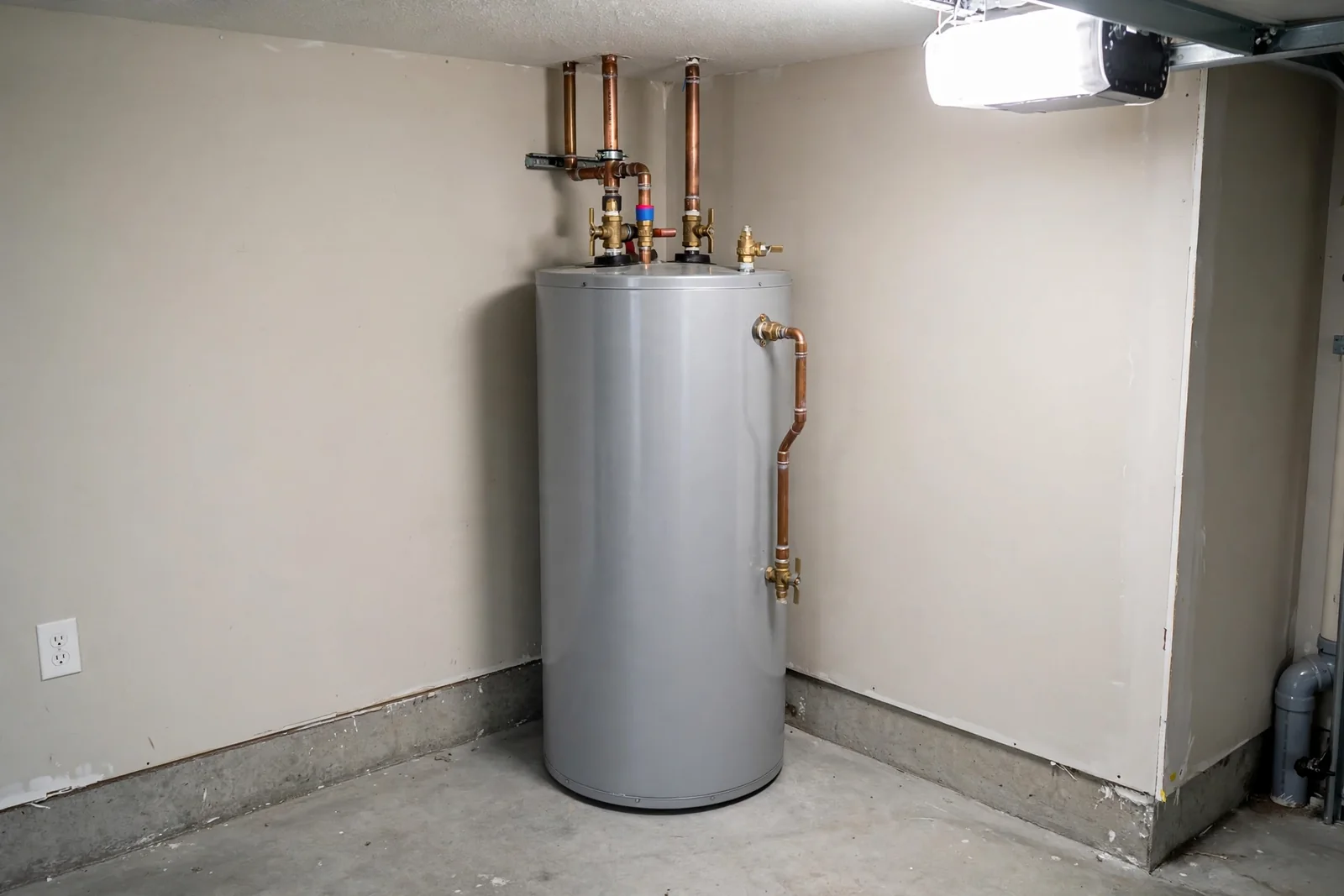
Real situation: a homeowner comes back from a weekend away to find the laundry room and half the hall under water from a split washer hose. The floor is the visible problem. The reading that matters is in the baseboards, the wall cavity behind the washer, and the subfloor edge, all of which have been drinking water for two days.
| What you see | Likely source | Safe check | When to call |
|---|---|---|---|
| Water across the laundry room, creeping into the hall | Washing machine hose let go | Shut the machine’s valve, or the main valve if you can reach it dry | As soon as it is spreading, or near the machine’s outlet |
| Water pooling under a sink or behind an appliance | Burst or split supply line | Close the valve at the fixture, if it is safe to reach | If water keeps coming, or the floor around it is soaked |
| Standing water near outlets or plugged-in appliances | Any source — now a safety risk first | Do not touch; stay out of the water | Immediately, before anything else |
Safety first: when to stop
Standing water and electricity do not mix, and water of unknown source is not safe to wade through. A few checks are safe. Stop there in these cases.
Safe checks you can do
- Shut the main water valve — if you can reach it without standing in water.
- Move dry belongings out of the wet zone, on dry footing.
- Take photos and video of the damage for your records.
Stop, and call instead
- Do not walk through standing water near outlets, appliances, or a breaker panel.
- Do not touch electrical devices while standing in water.
- If the water may involve sewage, keep out of it entirely — and keep people and pets out of the room.
- If you smell gas or a carbon monoxide alarm sounds, leave the home and call the gas utility or 911.
How extraction and drying generally work
The sequence below is the typical pattern for a professional water extraction service. Your home’s version depends on the source, the depth, and the materials involved, which the professional confirms on site.
General information only. It does not replace the professional’s assessment at your home.
1. Source stop and safety check
Extraction does not start until the water is stopped and electrical risk is ruled out. If the source is a fixture or appliance, its valve is closed or the main is shut.
2. Bulk water extraction
Pumps handle depth. Extraction wands and truck-mounted vacuum pull water out of carpet, padding edges, and hard floors. The goal of this step is to remove the mass of water fast, because standing water keeps spreading into new material.
3. Moisture mapping
With the surface water gone, meters map where the moisture went: wall bases, cavities, subfloor, and adjoining rooms. This map decides the drying plan, including whether any material has to be opened or removed to dry what is behind it.
4. Structural drying setup
Air movers push air across wet surfaces and dehumidifiers pull the moisture out of the air. Placement follows the moisture map, not a fixed pattern. A dehumidifier draining steadily is a good sign the setup is working.
5. Monitoring to a dry standard
Readings are re-checked during drying. Equipment is adjusted or removed as materials reach the target, which is based on dry material elsewhere in the home. Feeling dry to the touch is not the test; the meter is.
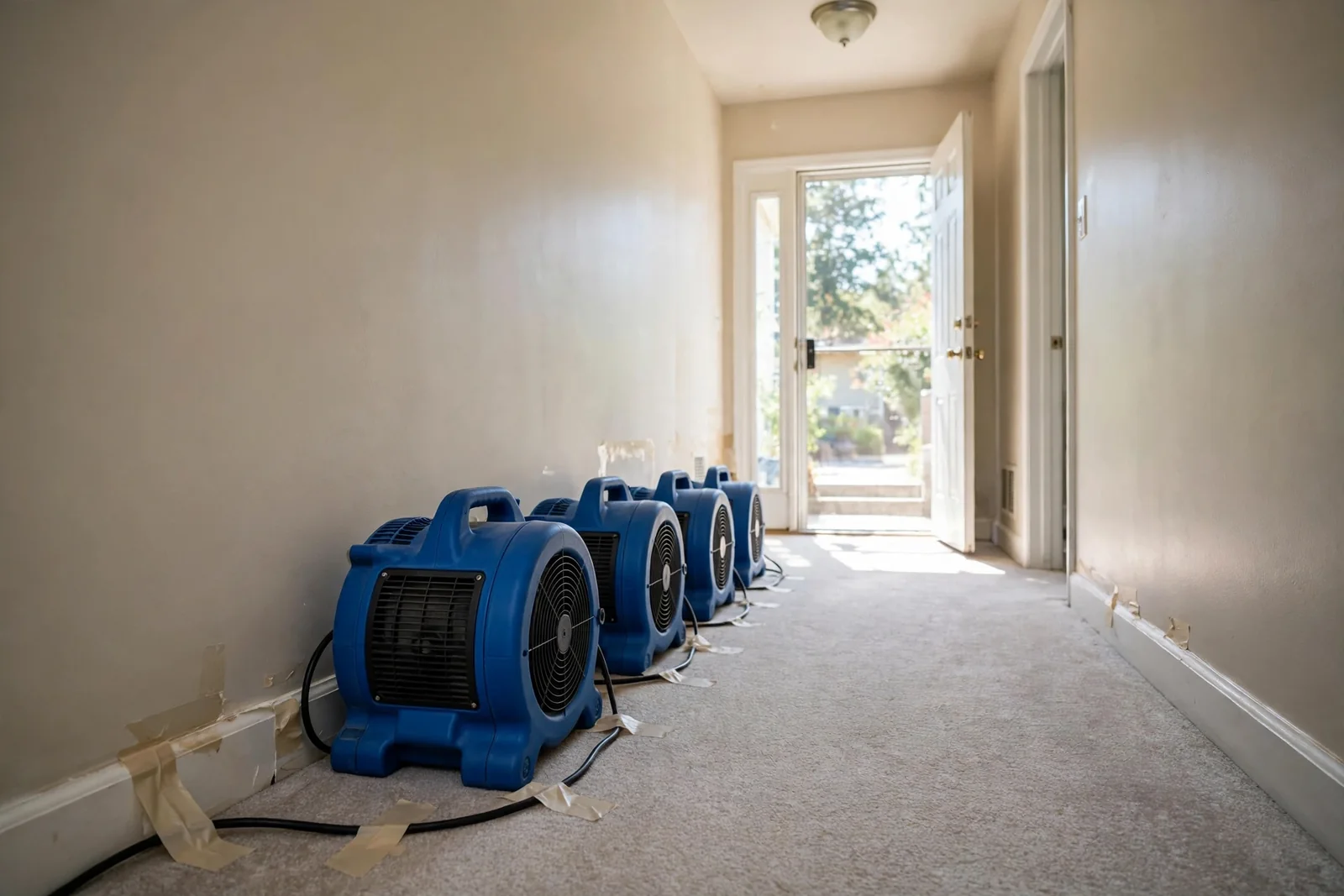 Feeling dry to the touch is not the test; the meter is.
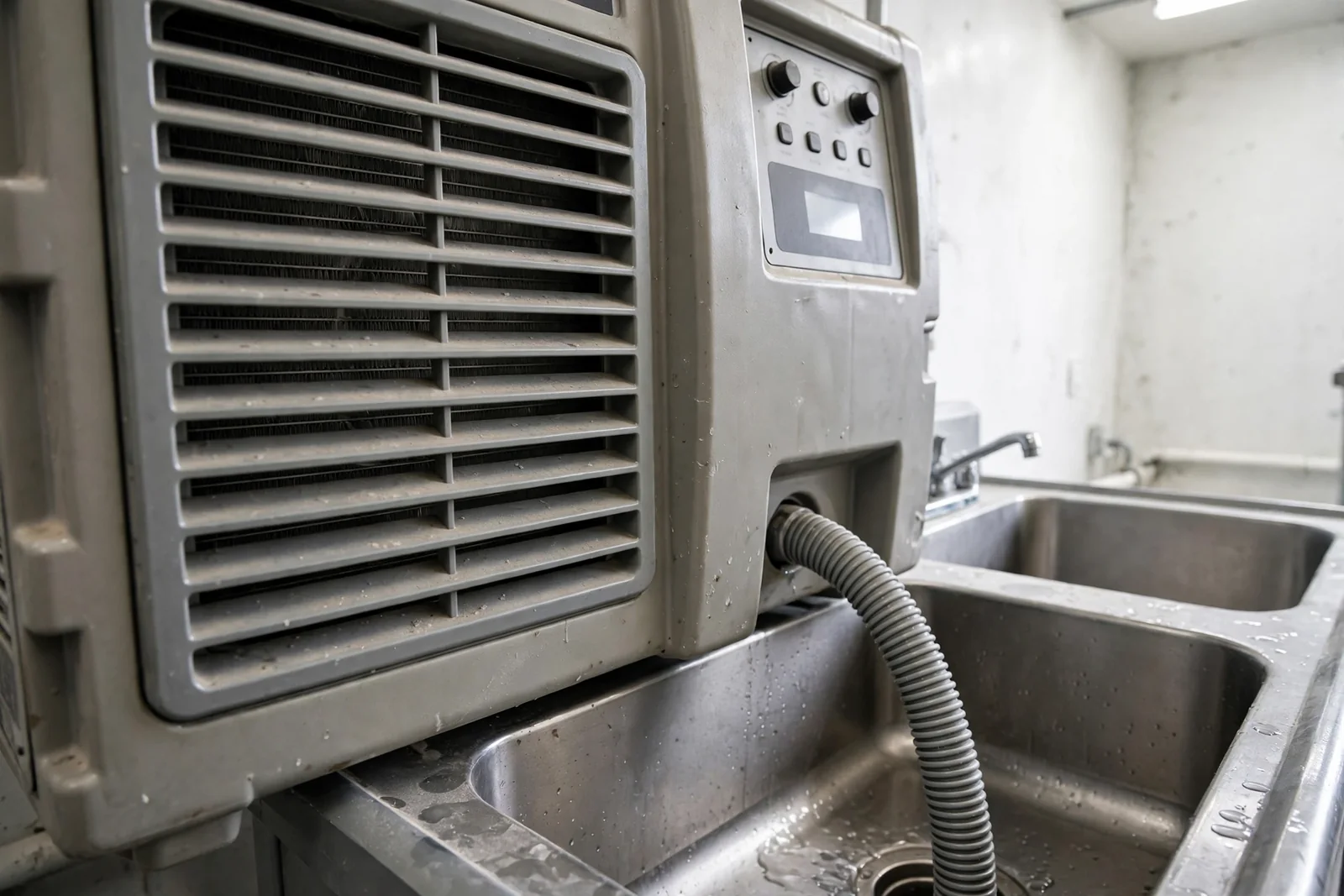
Homeowners often ask about opening windows or running household fans instead. In South Florida humidity, outside air usually adds moisture rather than removing it, and a box fan cannot move air through a wall cavity. Sealed, dehumidified drying is the method because it can be measured.
Standing water spreads by the hour. One call starts the conversation about getting it out.
Call NowRisks of leaving water standing
Water damage is progressive, and the clock matters more than the depth in many cases. Drywall that could have dried in place on day one may need removal by day three. The EPA notes mold can begin growing on wet surfaces within 24 to 48 hours, and standing water keeps feeding exactly the materials mold colonizes: paper-faced drywall, padding, and wood.
There is also the quieter cost: water that sits migrates. A one-room problem on Monday becomes a two-room drying job by Thursday, with more material opened and more of the home disrupted. Early extraction is the step that keeps the rest of the job small.
What to ask a water extraction contractor
- Please confirm the license and insurance the job requires in Florida.
- How will you map moisture, and how often are readings re-checked during drying?
- Which materials do you expect to dry in place, and which may need removal?
- How will clean rooms be kept separate from the work area?
- Can the scope and any warranty terms be put in writing?
Clear answers are a good sign. Vague answers are useful information too. Keep notes from the call.
Covered Boca Raton ZIP codes
Calls are matched for homes in Boca Raton, FL, in Palm Beach County, within these covered ZIP codes:
- 33428
- 33431
- 33432
- 33433
- 33434
- 33486
- 33487
- 33496
- 33498
The full ZIP list and how matching works sit on the service areas page.
Frequently Asked Questions
Water extraction is the removal of standing water itself, using pumps and extraction equipment. Water mitigation service is the wider job of limiting further damage, which includes extraction plus drying, moisture checks, and protecting materials that can still be saved. Extraction is usually the first step inside a mitigation job, not a separate trade.
For a small, clean spill on a hard floor, a homeowner can mop or use a wet vacuum if there is no electrical risk. Deep standing water, water of unknown source, or any water near outlets or appliances is different. In those cases keep out of the water and call, because the risk and the volume are beyond household equipment.
Structural drying targets the building itself: drywall, studs, subfloor, and the cavities behind and beneath them. Surface water is only part of the problem. Moisture trapped in a wall cavity or under flooring keeps causing harm after the floor looks dry, so drying is guided by moisture readings taken inside the materials.
They take moisture readings with meters during the drying period and compare them with the readings from unaffected material in the home. Drying is done when the wet materials reach a similar level, not when the surface feels dry to the touch. Ask the professional to walk you through the readings for your rooms.
Often, yes, if the water was clean and the drying started early. Tile and some sealed surfaces handle water well. Laminate, swollen hardwood, and soaked drywall sections are less forgiving and may need removal. The professional can tell you which materials are realistic to save after the moisture check, room by room.
If it is safe, shut off the water source and move dry belongings out of the wet area. Keep people and pets out of rooms with standing water, and stay clear of wet areas near outlets or appliances. Take photos for your records. Then call and describe how much water there is and where it came from.
You can, and the call is the right place for it. This website does not give estimates. When you call, ask the local professional how they handle estimates for extraction and drying work, and what they need to check at your home first.